
This means you’d rarely consume enough of a single spice in one meal to make a measurable dent in your calorie intake. For most people, the calories in spices are not worth tracking. They’re used in pinches, not piles, and their nutritional impact is vastly outweighed by the benefits they bring to flavour and satisfaction. In contrast, a teaspoon of pure Italian seasoning contains just dried herbs.
What to Know About the Healthiest Condiments
When seasoning a large batch of food, calculate the total calories in the blend first. Then, divide that total by the number of servings in the finished dish to determine the per-serving caloric impact of the seasoning alone. This method prevents overcounting or underestimating the true caloric load. I even toss it on crispy chickpeas or stir it into homemade vinaigrettes to keep flavor up and calories down.
Can I still use salt if I’m trying to lose weight?
Together, these herbs create a powerhouse blend that not only enhances flavor but also delivers a dose of nutrition. Italian seasoning has no fat, zero sugar, and virtually no sodium unless the blend includes added salt (which quality brands usually avoid). So when you sprinkle it over your roasted potatoes or mix it into pistachio pesto, you’re not just unimeal ratings adding flavor—you’re nourishing your body. But store-bought versions often include fillers—I’ve seen some with kcal per serving from starches or sugars.
Are spices suitable for everyone?
- That makes it an excellent budget-friendly seasoning if you’re looking to keep your meals flavorful without adding anything unnecessary.
- Salt-free herb and spice blends are a great option for those watching their sodium intake.
- Although it is made from whole ingredients such as egg yolks, olive oil, and vinegar, one tablespoon of mayonnaise can cost you 94 calories and 10 grams of fat.
- You can also use it as a salad dressing over carrots, red onions, bell peppers, and tomato wedges.
- Pure spices, derived straight from the plant (like ground cinnamon or dried oregano), inherently contain trace calories, primarily from natural oils and fiber.
- Seasonings, including herbs and spices, are key to enhancing the flavor of foods without adding any significant calories.
Onions and garlic add depth, while herbs like rosemary, thyme, and sage complement the meat’s natural taste. Let seasoned ground venison rest in the refrigerator for 30 minutes before cooking. Barbecue sauce is moderate in calories, containing about 60 in two tablespoons, but it also contains a large amount of sodium and sugar in one serving.
The Effect of Condiments on Your Health
Some seasoning blends, such as Cajun seasoning or chili powder, may contain a small amount of added sugar or salt. However, the calorie content from these additives is typically negligible and should not significantly impact your overall calorie intake, especially when used in moderation. Using spices and herbs with lower calorie counts will help you lose weight. It helps to start using lower-calorie herbs and spices with evidence of weight loss support. Furthermore, let’s see how you can flavor food without adding too many calories.

Can I season my food while on a diet?
Classic spaghetti with venison meat sauce works just like the beef version. Brown the venison with garlic and onions, add tomato sauce and Italian seasonings, then let it simmer for at least 30 minutes. A 4-ounce serving typically has only 3 grams of fat compared to ground beef, which can contain grams depending on the cut.
Always opt for single-ingredient spices when counting calories strictly. On the other hand, choosing seasonings that are nutrient-dense and low in calories can help you stay on track with your weight loss goals. The American Heart Association recommends limiting daily sodium intake to less than 2,300 milligrams. However, many seasoning blends and sauces far exceed this limit. Spices can support weight loss indirectly by enhancing the taste of low-calorie meals, making them more enjoyable. Additionally, some spices, like cinnamon or turmeric, may have metabolic-boosting properties that can aid in weight management.
Caloric Content of Spices
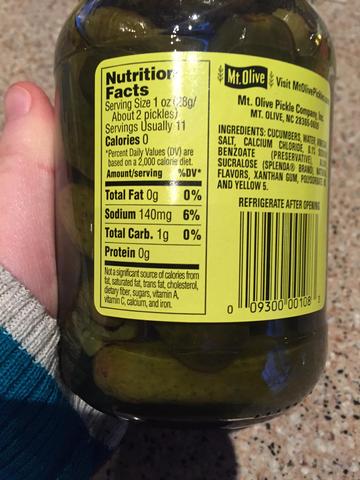
By examining the nutrition labels, you can make informed decisions about the seasonings you choose to include in your meals. While most seasonings are low in calories, it’s important to be cautious when using pre-packaged seasoning blends. Some commercially produced seasoning mixes may contain added ingredients to enhance flavor, texture, or shelf life. These added ingredients can include sugars, oils, or fillers that may contribute calories to the final product.
Unlocking the Mystery: Do Seasonings Add Calories to Your Culinary Creations?
There’s something magical about the way seasonings can transform a dish from ordinary to extraordinary. Imagine a simple bowl of lentils or a plain roasted chicken, suddenly bursting with flavor and personality all because of a few carefully chosen spices. This homemade spice blend is your key to unlocking that magic. Forget about those overpriced, pre-packaged mixes filled with additives and preservatives. We’re diving into the vibrant world of DIY spices, where you can control the ingredients and create a blend that speaks to your culinary soul.
Do Seasonings Add Calories? Debunking Common Myths Surrounding Flavors
However, it’s important to focus on a balanced diet overall. However, some pre-packaged spice blends may contain added ingredients, including gluten. Always read labels carefully if you have gluten sensitivity or intolerance.
Seasoning Blends
While a typical serving might show 0 or 5 calories, this assumes a minimal application to the dish. Brings practical expertise in spice applications to Kitchen Spices. Antonio’s cooking philosophy centers on understanding the chemistry behind spice flavors and how they interact with different foods. Having worked in both Michelin-starred restaurants and roadside food stalls, he values accessibility in cooking advice.